

Design-Build
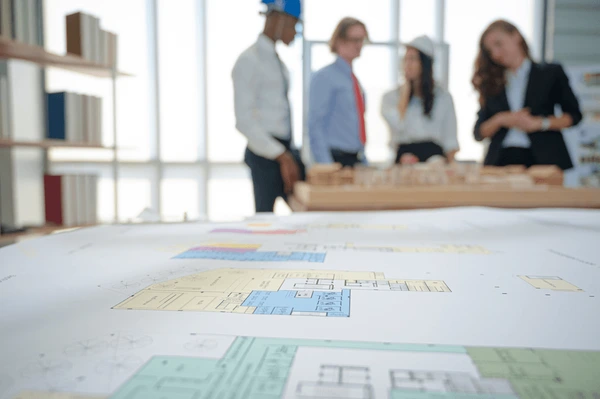
IP Builders, Inc. provides comprehensive design-build services that integrate planning, design, budgeting, and construction to ensure our clients enjoy a seamless process in turning their vision into a reality. We work alongside reputable and experienced architectural, engineering, and land planning firms, as well as trusted MEPs to design and permit projects, delivering a complete set of construction documents that are readily available for permitting and execution.
Design-build is a project delivery method where a single entity—the design-build team—handles both the design and construction phases of a project under one contract. This approach streamlines communication, promotes collaboration, and helps deliver projects more efficiently.
In contrast, traditional construction (known as design-bid-build) separates the design and construction phases. First, an owner hires an architect or designer to create the plans. Then, the project is put out to bid, and a separate contractor is hired to build according to those plans. This can lead to fragmented communication, delays, and potential disputes between the designer and builder.
-
Single Point of Responsibility
One team handles both design and construction, reducing confusion and finger-pointing if issues arise. -
Faster Project Completion
With design and construction happening in parallel, the overall project timeline is often shorter than traditional methods. -
Improved Communication
Designers and builders work together from day one, resulting in fewer misunderstandings and more cohesive decision-making. -
Cost Savings
Early collaboration helps identify cost-effective solutions and minimize expensive changes later in the process.
Early collaboration is one of the biggest strengths of the design-build approach. From the beginning, architects, engineers, contractors, and the client work as a unified team. This early alignment leads to several efficiency gains: fewer delays, smarter planning, faster decision-making, reduced rework and change orders, more accurate budgeting, and improved communication.